admin
admin
In today’s digital age, virtual worlds have become an important part of everyday life. Through online games, social platforms, and virtual environments, people can explore new spaces, create digital identities, and interact with others from around the globe. Although these worlds exist only on screens, the relationships and experiences formed within them are often very real. Virtual worlds are no longer just places for entertainment; they have become powerful spaces for building genuine human connections.
Understanding Virtual Worlds
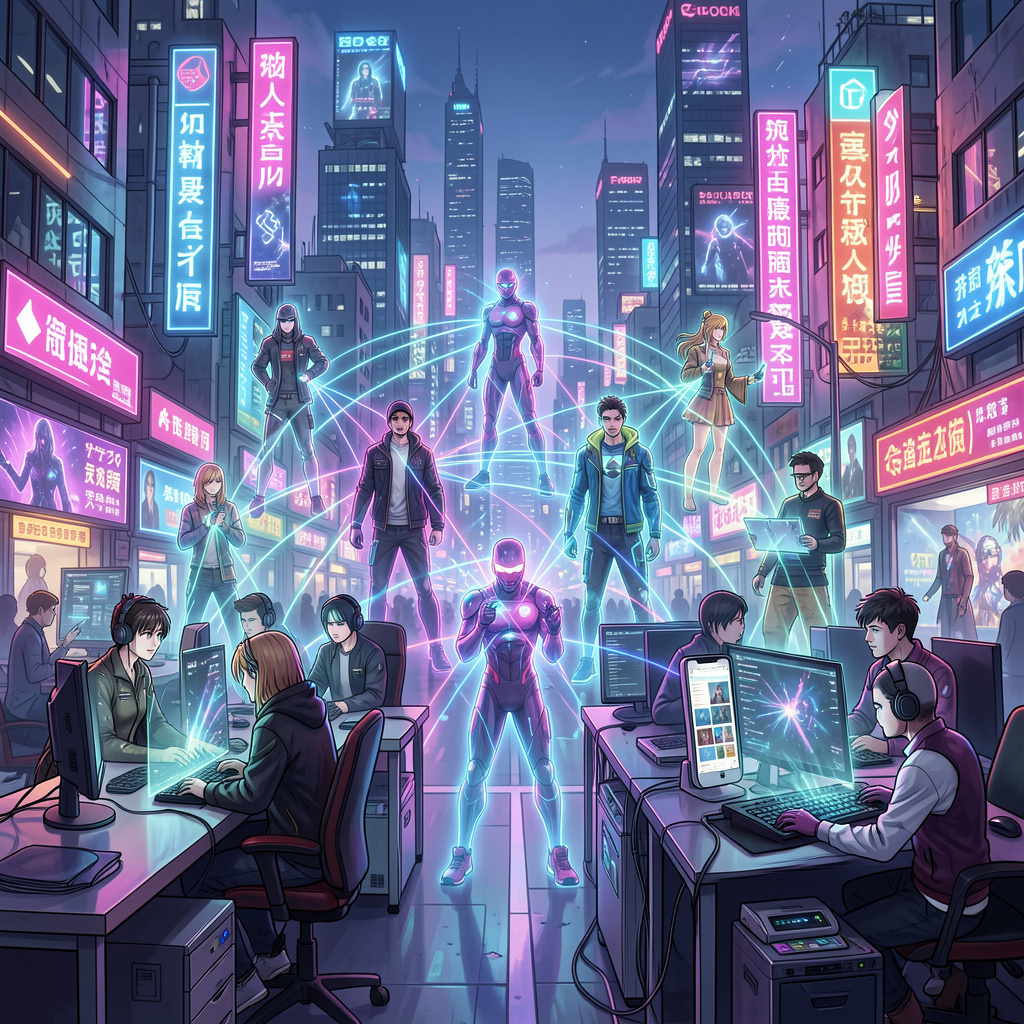
Virtual worlds are digital environments where users can interact with each other through characters or avatars. These spaces may look like cities, fantasy lands, or realistic settings where people can move, talk, and participate in activities together. Online multiplayer games and social platforms allow users to communicate in real time using text, voice, or video.
These environments simulate real-life experiences while offering endless possibilities for creativity and exploration. Players can complete missions, attend virtual events, or simply hang out with friends. This freedom makes virtual worlds attractive and engaging for people of all ages.
Meeting People Beyond Borders
One of the most powerful aspects of virtual worlds is their ability to connect people across geographical boundaries. In the past, friendships were mostly limited to people who lived nearby. Today, someone can easily interact with others from different countries and cultures through online platforms.
These global connections help people learn about different languages, traditions, and lifestyles. Virtual worlds create opportunities to meet individuals they might never encounter in real life. This exchange of ideas promotes cultural understanding and broadens perspectives.
Building Real Friendships
Although interactions take place online, the friendships formed in virtual worlds are often genuine and meaningful. Players spend hours cooperating, chatting, and sharing experiences. Over time, trust and understanding develop, just like in face-to-face relationships.
Many people find close friends through gaming communities or online groups. Some even meet their online friends in real life or maintain long-term communication outside the virtual space. These relationships show that real emotional bonds can grow from digital interactions.
Teamwork and Shared Experiences
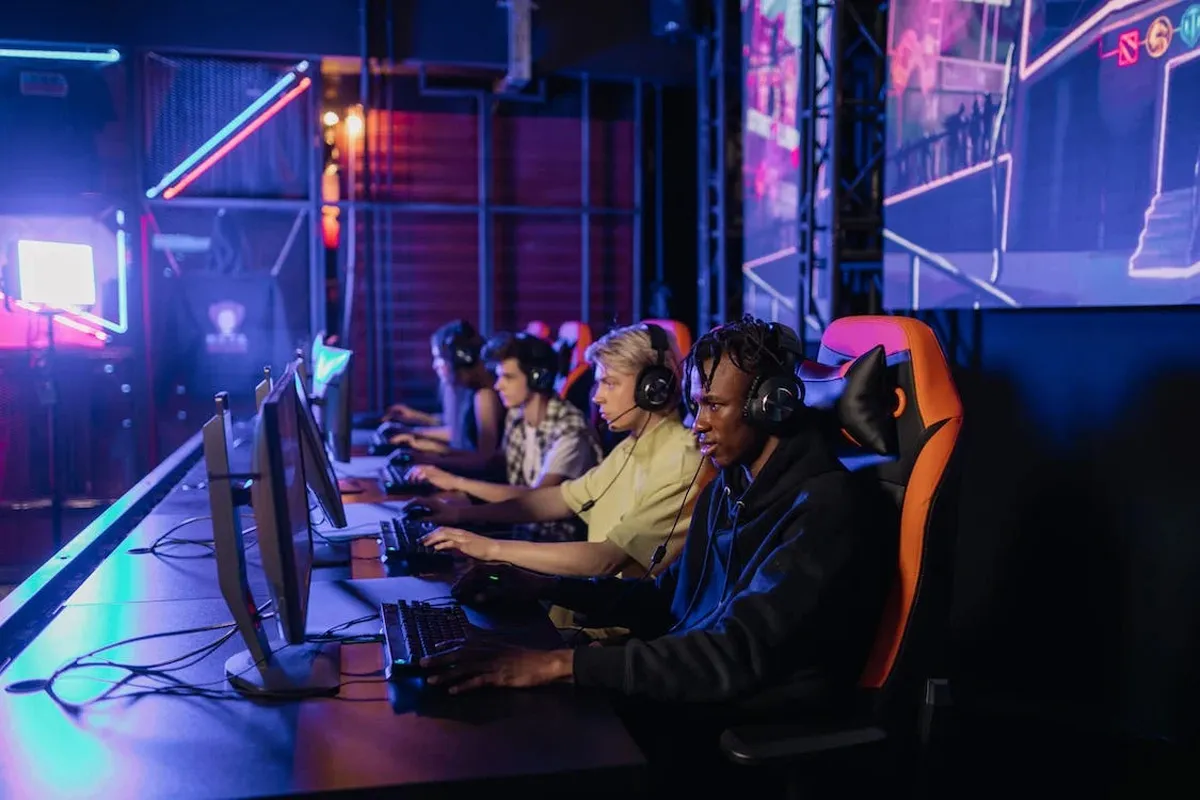
Virtual worlds often encourage teamwork. Many online games require players to work together to complete challenges, solve problems, or win competitions. Cooperation builds strong connections between teammates.
Sharing victories, overcoming obstacles, and achieving goals together create lasting memories. These shared experiences strengthen friendships and teach valuable skills like communication, leadership, and trust. The sense of belonging to a team or community makes virtual worlds feel meaningful and supportive.
Self-Expression and Identity
Another important feature of virtual worlds is the opportunity for self-expression. Players can design their avatars, choose their appearance, and express their personalities freely. This allows individuals to explore their identity and creativity in ways that may not always be possible in real life.
For some people, especially those who feel shy or anxious, virtual environments provide a safe space to communicate and express themselves confidently. This freedom often leads to stronger social connections and improved self-esteem.
Emotional Support and Community
Virtual communities can also offer emotional support. Many people turn to online friends during difficult times to share their feelings and seek advice. Gaming groups and online communities often provide comfort and encouragement, helping members feel less alone.
During periods of isolation or stress, virtual worlds become important spaces for connection and companionship. Talking and spending time with others online can improve mood and mental well-being. In this way, virtual relationships can have real emotional value.Visit toto online for more details.
Challenges of Virtual Connections
Despite the benefits, virtual worlds also have challenges. Miscommunication, online bullying, or fake identities can sometimes create problems. Spending too much time online may also reduce real-life social interactions or responsibilities.
It is important to use virtual spaces wisely and maintain a healthy balance between online and offline life. Practicing online safety and respectful behavior helps create positive experiences for everyone.
The Future of Virtual Interaction
As technology continues to improve, virtual worlds are becoming more realistic and immersive. Innovations such as virtual reality (VR) and augmented reality (AR) allow users to feel as if they are truly inside digital environments. These advancements will likely make online interactions even more natural and engaging.
In the future, virtual worlds may play an even bigger role in education, work, and social life. Meetings, events, and classrooms may take place in digital spaces, further blending virtual experiences with real connections.
Conclusion
In conclusion, virtual worlds are much more than digital playgrounds. They are spaces where real connections are formed, friendships grow, and communities thrive. By bringing people together across distances, encouraging teamwork, and allowing self-expression, virtual environments create meaningful social experiences. While challenges exist, responsible use of these platforms can lead to positive and lasting relationships. Virtual worlds may be digital, but the connections made within them are truly real.


 waqar707